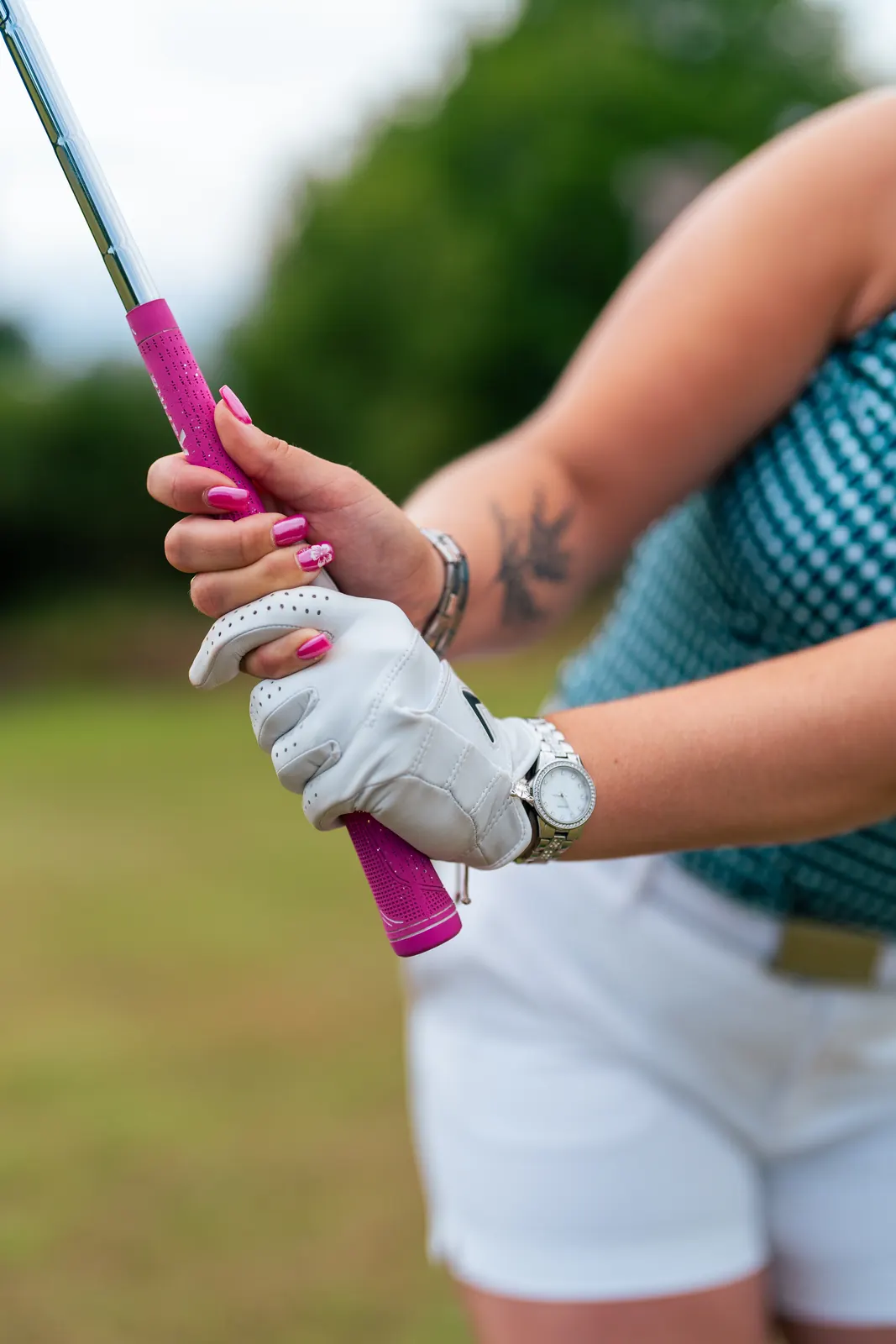
For most club golfers who want to improve, two or three short, focused practice sessions a week, plus a round, is a realistic and effective target. One session a week will keep you roughly where you are. More than that helps if the practice is good, but how you practise matters more than how often. Short and regular usually beats long and rare.
That's the honest answer. The rest depends on you.
It depends what you want
Be clear about the goal before you plan any sessions.
Keeping your handicap where it is. A round a week and a quick warm-up before it is probably enough for most people. Add a bit of putting if you can.
Getting a few shots better this season. Two practice sessions a week, each with a clear focus, alongside your normal golf. That's where most club golfers sit.
A big improvement, like breaking 80 for the first time. Three or more sessions, regular lessons, and on-course practice. It's a serious time commitment, and most people with jobs and families can't keep it up for long. That's fine.
No plan works if you won't stick to it. Pick the one you'll still be doing in two months.
Why short and often works
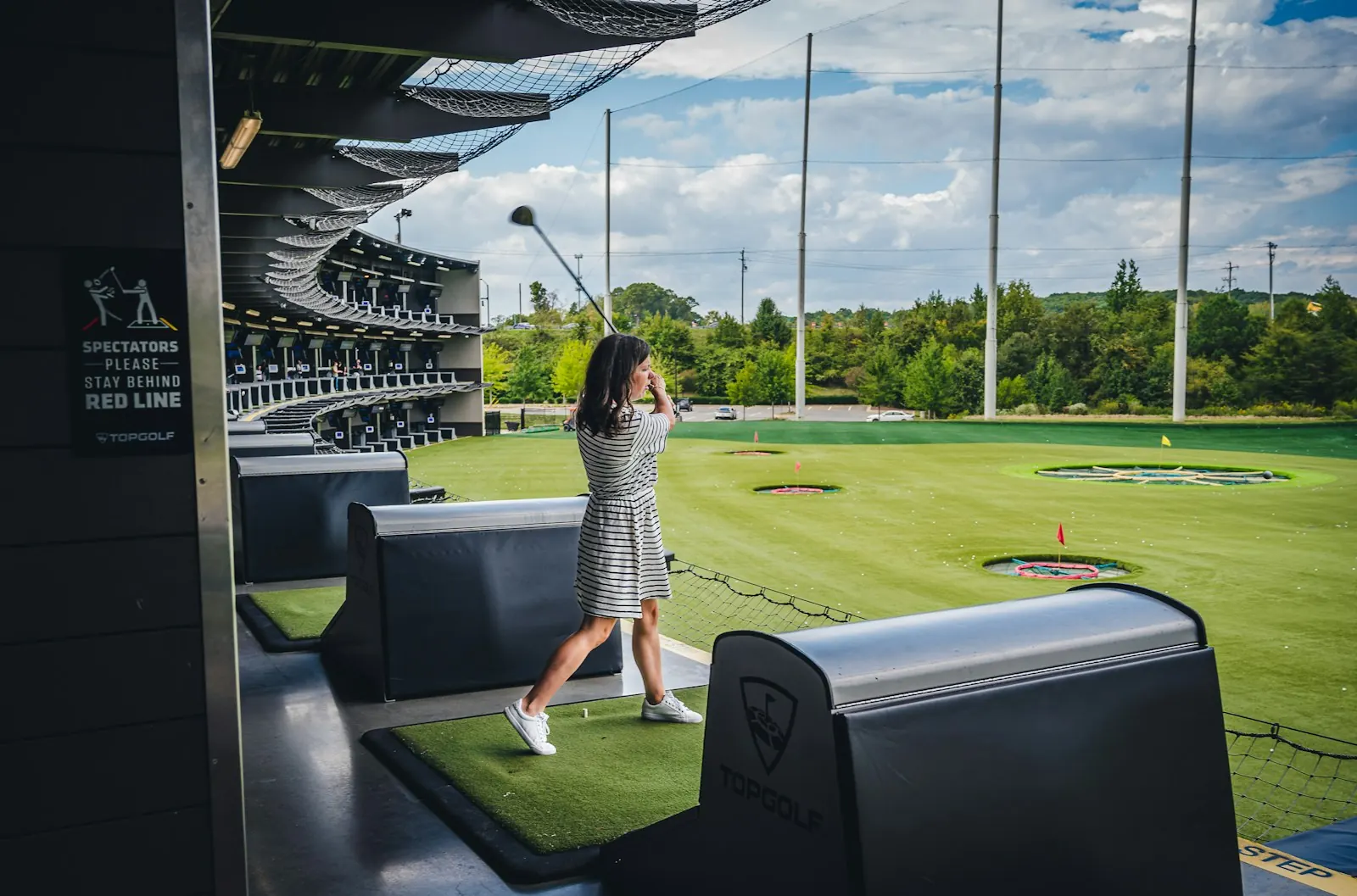
Picture two golfers. One goes to the range for two hours every other Sunday. The other spends 20 or 30 minutes on three evenings a week.
They spend similar time overall. Most coaches would back the second one.
The reason is simple. Skills fade between sessions, and coming back to them regularly keeps them fresh. Long sessions also get sloppy. After the first hour, most people are tired, rushing, and hitting balls for the sake of it. Twenty focused minutes is often worth more than the second hour of a long session.
There's more on getting the most out of a short slot in the 20-minute practice plan.
What a good week looks like
Here's a realistic plan for someone working full time, playing once a week:
| Day | What | Time |
|---|---|---|
| Monday | Putting at home or on the practice green | 15 mins |
| Wednesday | Range or sim, mixed shots, a few sloping lies | 30 to 45 mins |
| Friday | Chipping in the garden, or short game area | 20 mins |
| Weekend | Round, with a 10-minute warm-up |
That's under two hours of practice a week. It's enough to make steady progress if each session has a point.
If you can't do three, do two: one short game, one full swing. If you can only do one, make it short game. That's where most handicaps lose the easiest shots.
Quality over quantity
How often you practise matters less than what you do in the session. A few things make the biggest difference:
- One focus per session. Pick a single thing to work on. Don't fix your grip, your takeaway and your putting in one go.
- Targets on every shot. Never hit at nothing.
- Mix it up. Change club and target often. The thinking behind this is in block vs random practice.
- Practise from real lies. The course hardly ever gives you a flat lie away from the tee, so some of your practice shouldn't either.
- Write it down. A short note after each session shows you what's working. See keeping a practice journal.
Do those and three sessions a week will feel very different from three sessions of raking and hitting.
Signs you're overdoing it
More isn't always better. Watch for:
- Sore wrists, elbows or back. Mats are hard on joints, especially in winter. Rest is part of improving.
- Getting worse the longer you practise. If the last 20 balls are always the worst, stop earlier.
- Dreading it. If practice feels like a chore, cut back or change what you do. Play a game with a mate.
- Thinking about mechanics on the course. Too much technical work can leave you full of swing thoughts on the first tee. Balance practice with playing.
Practice in winter
UK winters make regular practice harder. Days are short, courses close, ranges get cold. This is where a home setup helps, even a small one. Putting on the carpet, chipping in the garden on dry days, and a net in the garage all count. A sim bay is worth it now and then if you can get to one.
If you can keep two short sessions a week going through winter, you'll start the season far ahead of where you finished the last one.
For short sessions at home, Libro adds sloping lies to whatever setup you have. It's a portable platform that tilts to recreate uphill, downhill and sidehill lies, works on its own or with any launch monitor or simulator, and has no batteries, nothing to charge and no subscription. You can reserve one for £10, fully refundable, ahead of the Kickstarter in early 2027.