On most holes, the tee is the only place you get to choose your lie. You pick the spot, you can tee the ball up, and you can look for level ground. After that, the ball stops wherever it stops and you play it from there. Fairways are shaped, contoured and tilted, so most of your shots in a round come off some kind of slope, even if it's a small one.
Why fairways aren't flat
Walk any fairway with your eyes closed and you'll feel it. Courses are built on real land, and even the flattest-looking parkland hole rolls a bit. Fairways also have to shed water, so they're often shaped to drain toward the sides or into hollows.
Some of those slopes are obvious, like a links hump or a hillside fairway. Many are subtle. A degree or two of sidehill tilt is hard to spot from the tee and easy to ignore when you get to your ball, yet it can still nudge a mid-iron off line.
The point is simple. Flat lies are the exception once you leave the tee.
The tee box is yours to choose
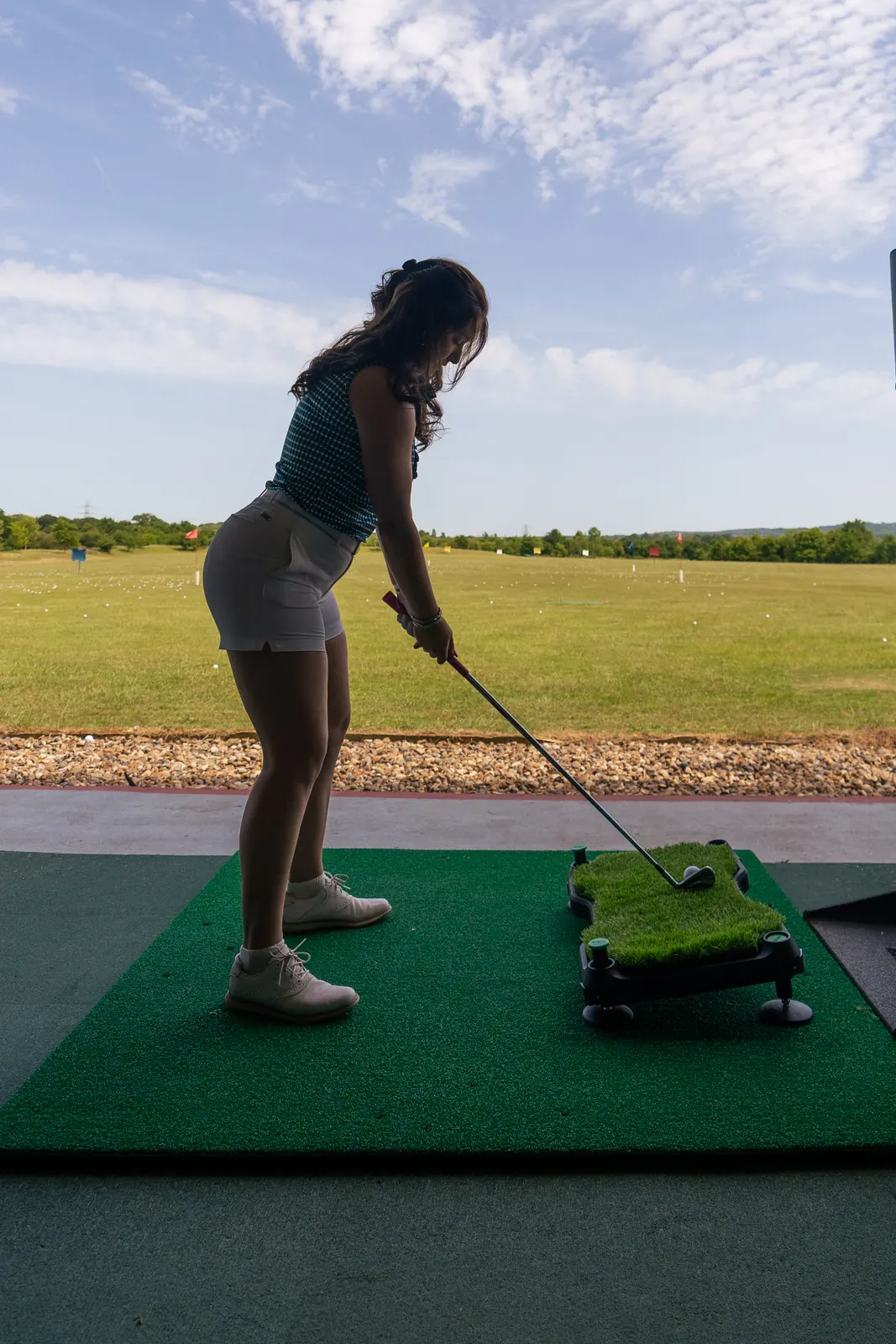
The rules give you a fair amount of freedom on the tee. The teeing area is a rectangle two club-lengths deep. The front edge runs between the front points of the two tee markers, and the sides run back from their outside points. Your ball has to be inside that rectangle, but you can stand outside it.
That means you can:
- Walk the teeing area and find the flattest spot. Tee boxes get worn and uneven, especially by the markers late in the season. Move back a club-length if the front is bumpy.
- Tee the ball up on any club. On a par 3 that's the only time in the hole you get a perfect lie for an iron shot.
- Use any slight slope on purpose. If the teeing area tilts a little and you want a particular shape, you can use it. Most of the time, though, level is best.
A lot of club golfers tee the ball up wherever they happen to walk to. It costs nothing to take a few seconds to find a good spot.
Par 3s are a gift
Par 3s are the only holes where your approach shot comes from a perfect lie. Flat ground, teed-up ball, known distance. If you treat them with a bit of care, they're where you should make your most reliable scores.
Tee the ball low for irons, just enough to sit it up off the grass. Pick the flattest spot. Then hit the club that gets you to the middle of the green, because from a perfect lie your distance control should be at its best.
What this means for practice
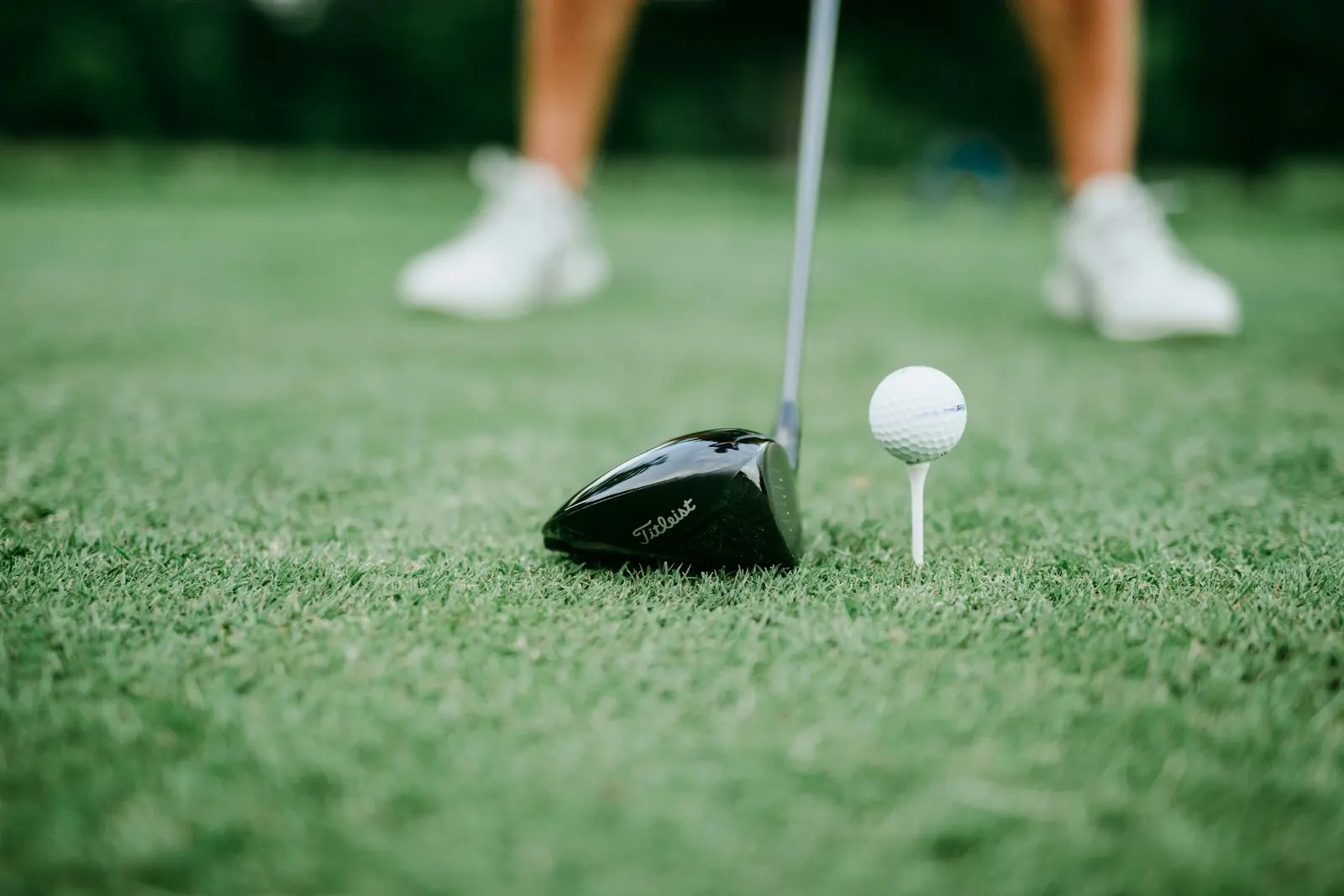
Here's the awkward bit. Almost every practice ball most club golfers hit is from a flat mat or flat turf. That's practising the one lie you get on the tee, over and over, and very little of the lies you get everywhere else.
That doesn't make range practice worthless. Flat-lie practice is how you build a repeatable swing and learn your distances. But if all your practice is flat, the first time you meet a downhill lie with the ball below your feet is in a medal, with a card in your pocket.
Some ways to fix the balance:
- Find slopes at your range or club. Some ranges have grass areas with banks. Short-game areas often have slopes around the green. The practising at the driving range post covers what's usually possible.
- Practise on the course in quiet times. Drop a few balls on a sidehill lie during a casual nine, if your club allows it and nobody's waiting.
- Use drills that change the lie. There are a few in the uneven-lie drills post that you can do this week.
- Read the slope on every shot. Even on the course, make a habit of noticing the lie before you pull a club. The reading slopes post shows how.
The wider argument about mats is in why practising on a flat range mat holds your game back.
Make the most of the one flat lie you get
None of this means you should ignore the tee shot. A good drive sets up the hole, and a drive that stays in play on the flatter parts of a fairway leaves you a better lie for the next shot. Use the tee box properly: pick your spot, tee it up and commit. Then expect the next lie to be different.
That's the idea behind Libro. It's a portable platform that tilts to recreate uphill, downhill and sidehill lies, up to 7 degrees along its length and 13 degrees across, so the lies you get after the tee shot can be part of your practice too. It's coming to Kickstarter in early 2027 and you can reserve one for £10, fully refundable.